
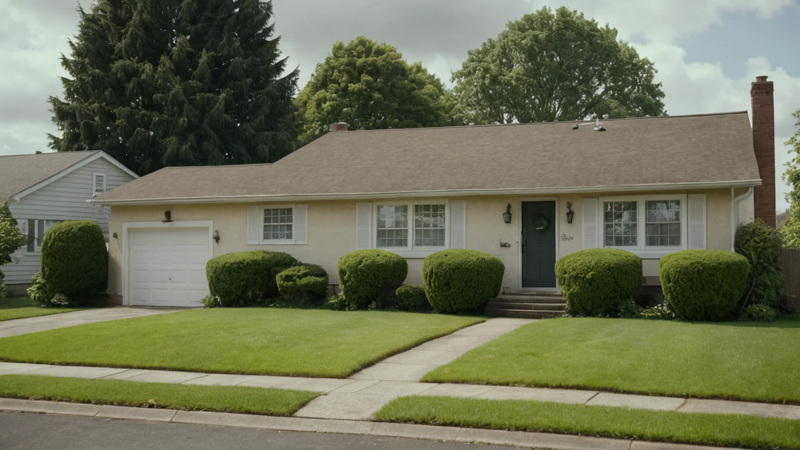
Mistakes that make homes sit on the market too long can cost sellers time and money. Learn the most common errors and smart fixes to sell faster.
Mistakes that make homes sit on the market too long usually involve pricing, poor presentation, weak marketing, or timing issues. Fixing these common errors helps attract buyers faster, generate better offers, and reduce stress during the home selling process.
Mistakes That Make Homes Sit On The Market Too Long
Ever wonder why some homes sell in days while others sit for months?
The truth is simple. Most slow sales happen because of avoidable mistakes.
Homes don’t stay unsold because buyers disappear.
They sit because something feels off to buyers.
Let’s break down exactly what causes delays and how to fix them fast.
Overpricing The Home From Day One 💰
Overpricing is the number one reason homes sit unsold.
Many sellers aim high, hoping to “test the market.”
Buyers notice right away when a home feels overpriced.
An overpriced home gets fewer showings.
Fewer showings lead to fewer offers.
Over time, the listing looks stale and ignored.
Common pricing mistakes include:
- Pricing based on emotion, not data
- Ignoring recent comparable sales
- Refusing early price adjustments
Smart pricing attracts attention immediately.
The first two weeks matter more than you think.
Ignoring Local Market Conditions 📉
Every real estate market behaves differently.
Some areas favor sellers. Others favor buyers.
Ignoring this reality slows everything down.
In a buyer’s market, homes must shine.
Buyers expect value, upgrades, and fair pricing.
In a seller’s market, timing still matters.
Market conditions affect:
- How fast homes sell
- How much negotiation happens
- Buyer expectations
Understanding the market helps you stay competitive.
Blind pricing decisions almost always backfire.
Poor First Impressions Hurt Showings 🚪
Buyers decide quickly. Sometimes within seconds.
If the home looks messy or dated, interest drops fast.
First impressions start online and continue at the door.
Clutter distracts buyers from the space.
Bad lighting makes rooms feel smaller.
Strong odors instantly turn people away.
Quick fixes that help:
- Declutter every room
- Clean deeply, not lightly
- Improve lighting and airflow
Buyers should imagine living there, not fixing it.
Skipping Professional Home Staging 🛋️
Unstaged homes often feel empty or confusing.
Buyers struggle to picture furniture placement.
That hesitation delays offers.
Staging highlights the home’s best features.
It improves flow, scale, and emotional appeal.
Even light staging makes a big difference.
Homes that feel “move-in ready” sell faster.
Staging doesn’t mean expensive furniture.
It means intentional presentation.
Low-Quality Listing Photos Kill Interest 📸
Most buyers start online.
Photos are the first showing.
Bad photos end the search instantly.
Dark images make homes feel cramped.
Odd angles confuse buyers.
Phone photos often miss details.
Strong photos should:
- Be bright and sharp
- Show accurate room sizes
- Highlight upgrades
If photos don’t impress, buyers never schedule visits.
Weak Or Incomplete Property Descriptions ✍️
A listing description should tell a story.
Generic phrases don’t excite buyers.
Missing details create doubt.
Buyers want clarity.
They want to know what makes the home special.
They want reasons to visit.
Great descriptions focus on:
- Lifestyle benefits
- Key upgrades
- Neighborhood perks
Words sell feelings, not just features.
Limiting Showing Availability ⏰
Restricted showings slow momentum.
Busy schedules frustrate buyers and agents.
Missed showings often mean missed offers.
Flexibility helps homes sell faster.
Buyers view multiple homes in one day.
If yours isn’t available, it’s skipped.
Common showing mistakes:
- No evening availability
- No weekend access
- Short notice requirements
The easier it is to see, the faster it sells.
Neglecting Necessary Repairs 🔧
Small problems feel big to buyers.
Loose handles, peeling paint, or leaks raise concerns.
Buyers assume worse issues hide behind small ones.
Unfixed repairs lower perceived value.
They invite low offers and longer negotiations.
They also delay decisions.
Fix obvious issues before listing.
It builds trust and confidence.
Confidence speeds up offers.
Ignoring Curb Appeal 🌿
Curb appeal sets expectations.
Buyers judge before stepping inside.
A neglected exterior sends the wrong message.
Overgrown lawns look unmaintained.
Faded paint feels outdated.
Poor lighting affects safety perception.
Simple upgrades include:
- Fresh mulch
- Trimmed bushes
- Clean walkways
Strong curb appeal pulls buyers inside emotionally.
Not Marketing Beyond MLS 📢
Listing on MLS alone isn’t enough anymore.
Buyers search everywhere.
Homes need exposure across platforms.
Without strong marketing, listings get lost.
More visibility means more competition.
Competition leads to better offers.
Effective marketing includes:
- Social media promotion
- Email outreach
- Local targeting
Visibility fuels urgency.
Failing To Price Adjust Quickly 📊
When interest slows, price matters.
Waiting too long hurts momentum.
Buyers notice hesitation.
Early price corrections feel strategic.
Late reductions feel desperate.
Timing changes perception.
Pricing Response Guide
| Market Feedback | Smart Action |
| Few showings | Adjust price fast |
| No offers | Reevaluate value |
| Low offers | Improve price or presentation |
Quick decisions protect listing strength.
Overpersonalized Design Choices 🎨
Bold colors and unique designs limit buyers.
Not everyone shares the same taste.
Personal style can reduce appeal.
Neutral spaces sell faster.
They help buyers imagine their own life.
Strong personality distracts from the space.
Before listing:
- Repaint loud walls
- Remove personal decor
- Simplify design
Neutral doesn’t mean boring. It means flexible.
Ignoring Buyer Feedback 🗣️
Buyer feedback is valuable data.
Ignoring it slows improvement.
Repeated comments reveal patterns.
If buyers say:
- “Feels overpriced”
- “Needs updates”
- “Too dark”
Listen carefully.
Small changes can unlock big results.
Selling At The Wrong Time Of Year 📅
Seasonality affects buyer activity.
Spring and early summer attract more buyers.
Winter markets move slower in many areas.
Timing matters for:
- Buyer urgency
- Competition levels
- Pricing strength
Best Times To List
| Season | Buyer Activity |
| Spring | Very High |
| Summer | High |
| Fall | Moderate |
| Winter | Low |
Strategic timing improves visibility.
Choosing The Wrong Listing Strategy 🧭
Not all strategies fit every home.
Luxury homes need different marketing.
Starter homes move differently.
Wrong strategy causes:
- Missed buyer segments
- Weak positioning
- Poor pricing alignment
Tailoring the approach increases relevance.
Relevance speeds up decisions.
Letting Emotions Control Decisions ❤️
Selling a home feels personal.
But buyers think logically.
Emotions can block smart choices.
Overreacting to feedback hurts progress.
Refusing negotiation delays sales.
Staying flexible helps close deals.
Selling faster requires balance.
Business mindset wins over feelings.
Refusing To Negotiate Reasonably 🤝
Buyers expect negotiation.
Rigid sellers lose opportunities.
Fair counteroffers keep deals alive.
Negotiation doesn’t mean losing value.
It means finding middle ground.
Deals die when talks stall.
Successful sellers stay realistic.
They focus on the end goal, not pride.
Conclusion
Homes sit on the market too long for clear reasons.
Most delays come from pricing, presentation, and poor strategy.
The good news? These mistakes are fixable.
By pricing smart, improving presentation, and staying flexible, sellers attract buyers faster.
Listening to feedback and adjusting quickly keeps momentum strong.
The right approach turns hesitation into action.
FAQs
Why Do Homes Sit On The Market Too Long?
Homes usually sit due to overpricing, poor marketing, or bad presentation. Buyers compare many options quickly. Small mistakes can create big delays.
How Does Overpricing Affect Home Sales Speed?
Overpricing reduces showings and interest. Buyers skip listings that feel unrealistic. Early correct pricing attracts more serious offers.
Do Repairs Really Help Homes Sell Faster?
Yes, even small repairs build buyer confidence. Buyers fear hidden issues when repairs are ignored. Fixing basics speeds up decisions.
Is Home Staging Worth It For Faster Sales?
Staging helps buyers visualize living in the space. It highlights layout and flow. Well-staged homes often sell faster.
When Should A Seller Reduce The Price?
If showings slow within two weeks, reconsider pricing. Early adjustments protect listing momentum. Waiting too long can hurt interest.